Loading…
Guide
How to Use Niacinamide Serum: When, How Much and How Often
10 min read
You have bought a niacinamide serum. The box says it helps with tone, oil and texture, and the back says something vague like "apply to clean skin". This page is the missing instruction sheet: when to use niacinamide serum, how much, how to start it without irritation, what it pairs badly with (almost nothing), and what you should notice at two weeks, four weeks and twelve. We sell a niacinamide serum, so we have an interest, but everything below works for any brand.
How to use niacinamide serum: the short answer
Apply a few drops of niacinamide serum to clean, dry skin, once or twice a day, before your moisturiser. In the morning, finish with sunscreen. Patch test on your inner arm for 24 hours first, then start once a day for a week before moving to twice. Use it every day and give it twelve weeks, because that is how long the main trials ran. If it tingles or flushes, use it less often or switch to a lower strength rather than pushing through.
When to use niacinamide serum: morning, night or both
Niacinamide is one of the least fussy actives about timing. The cosmetic safety review found it was not a photosensitiser (Cosmetic Ingredient Review, 2005), so unlike retinoids and exfoliating acids it does not come with a sun warning. The question is really about your routine.
Twice a day is what the evidence used. In the best-known trial, 50 women applied 5% niacinamide to half their face twice daily for 12 weeks (Bissett, Oblong and Berge, 2005). An earlier study with the same design also used twice-daily application for 12 weeks and found it well tolerated (Bissett and colleagues, 2004). If you want to copy the trials, this is it.
Morning only suits most people who want one application. It layers under moisturiser and sunscreen without pilling in most formulas, and it keeps your evening free for something else, such as a retinoid or peptide.
Evening only suits people who like a bare morning routine, or whose niacinamide is a richer serum that feels heavy under make-up.
If you use niacinamide alongside vitamin C, our page on niacinamide and vitamin C covers how to split them.
How much niacinamide serum to use
A few drops, or roughly a pea-sized amount, for the whole face. The Ordinary's own directions for its niacinamide serum, when we checked them on 30 September 2026, were to apply a few drops to the face in the morning and evening. That is a reasonable default for any brand. Your own bottle's directions come first.
Signs you are using too much: it balls up when you rub in moisturiser, your face feels sticky ten minutes later, or you are getting through a bottle much faster than you expected.
Signs you are using too little: you can feel dry patches it has missed, or it disappears before you have covered your forehead.
More does not work faster. The strength of the formula is already set, and piling more on mostly adds to what sits on the surface.
Do not forget your neck if you want it to match your face. Most people stop at the jawline.
Step by step
- Cleanse with a gentle cleanser and pat your face dry. Slightly damp is fine too; many serums spread more easily on damp skin.
- Toner or mist, if you use one. Optional.
- Niacinamide serum. A few drops into your palm or fingertips, pressed and smoothed over the face and neck. Avoid the eyes and the edge of the lips.
- Wait a moment. You are not waiting for anything chemical, just for it to stop being wet so the next layer does not slide.
- Other serums, if you use them, thinnest to thickest. The order of several serums is its own topic, covered in how to apply serums and in what order.
- Moisturiser.
- Sunscreen, in the morning, every day.
That last step deserves its own line. In a randomised trial of 903 adults, the group using broad-spectrum sunscreen daily showed no detectable increase in skin ageing over four and a half years, and ageing was 24% less than in the group using it only when they felt like it (Hughes and colleagues, 2013). If you are using niacinamide for dark spots or tone, sunscreen is what stops them coming back.
How to start niacinamide without irritation
Most people tolerate niacinamide well. The cosmetic safety review found no stinging in clinical tests at up to 10% and no irritation in repeated-use tests at up to 5% (Cosmetic Ingredient Review, 2005). Still, some people get a warm, pink flush, especially from high-strength serums, and it is easy to avoid.
Patch test first. A small amount on the inner forearm, left for 24 hours without washing off. Contact reactions usually show within a few hours or days of exposure, according to the NHS (NHS, contact dermatitis), so if you have a very reactive history, repeat it for a couple of days.
Then a small patch of face. Along the jaw or behind the ear, once a day for three or four days.
Week one: once a day. Evening is easiest, so any pinkness fades overnight.
Week two onwards: twice a day, if you want to and your skin is comfortable.
One new product at a time. If you start a niacinamide serum, a new cleanser and a new moisturiser in the same week and your face reacts, you will not know which one to blame.
If you flush every time, the likely cause is strength. We go through what the studies used, and why higher percentages mostly add tingling, in niacinamide at 5%, 10% or 20%. A lower strength used every day will do more than a high one you abandon.
What to expect, and when
This is the part most people get wrong. Niacinamide is slow. Here is what the trials actually measured, and when.
The first week: nothing much, and that is the goal. Maybe skin feels a little softer. You are checking tolerance, not results.
Two to four weeks: oiliness. In a placebo-controlled study of 100 people, a 2% niacinamide moisturiser significantly lowered the rate of sebum production at two weeks and at four weeks. In a separate group of 30 people the effect was smaller: surface oil fell by six weeks, but production rate did not change significantly (Draelos, Matsubara and Smiles, 2006). So if shine is your concern, you may see a difference within a month. You may not.
Four weeks: tone. In a paired study of 18 people with hyperpigmentation, 5% niacinamide significantly reduced it compared with a plain moisturiser after four weeks (Hakozaki and colleagues, 2002). Early changes are subtle and easier to see in photos than in the mirror.
Four to eight weeks: comfort and hydration. In a left-right study of 28 people with dry, atopic skin on their forearms, a 2% nicotinamide cream applied twice daily for four or eight weeks reduced water loss through the skin and raised hydration more than plain petroleum jelly (Soma and colleagues, 2005).
Twelve weeks: the main event. Fine lines, dark spots, red blotchiness, sallowness and elasticity were all measured at twelve weeks in the split-face trial (Bissett, Oblong and Berge, 2005).
Take a photo on day one, facing a window, no make-up, same time of day. Take another at week six and week twelve. Most people who say niacinamide "did nothing" quit at week three and had no photo to compare.
If you want to judge the evidence behind any skincare claim, including how much weight a 12-week trial of 50 people carries, our guide to reading small skincare trials is the place.
Small adjustments by skin type
Oily skin. Twice a day suits you, and in summer the serum plus sunscreen may be enough without a separate moisturiser in the morning. A light gel texture will feel better than a creamy one.
Dry skin. Apply to slightly damp skin and always follow with a proper moisturiser. A creamy niacinamide serum with some oil in the base is kinder than a watery one.
Sensitive or reactive skin. Once a day, fragrance-free, and a slower start: patch test, then every other evening for the first week. If your skin is currently stinging from anything, calm it down before adding a new active.
Make-up wearers. Let the serum and moisturiser settle before foundation, or it can pill. If it keeps pilling, use less serum or move it to the evening.
Mature skin. Nothing special, except patience. The twelve-week trial was run on women with visible signs of sun ageing, so your timeline is the one it measured.
What niacinamide serum pairs with
Nearly everything. It is not a strong acid and it is stable, so it layers with hyaluronic acid, peptides, retinoids and exfoliating acids without special rules. We cover the most-asked pairings separately: niacinamide and hyaluronic acid and niacinamide and salicylic acid.
The only real caution is stacking too many actives at once. If your routine already has an acid, a retinoid and a vitamin C, adding niacinamide is not the problem, but four actives in one go on a reactive face might be.
How long a bottle lasts
It depends on how much you use and how often, so we will not give you a number of weeks for someone else's bottle. A simple way to find out: note the date you open it. If you are using a few drops twice a day and it is gone far sooner than you expected, you are probably using more than you need. Subscriptions exist for exactly this reason; once you know your own pace, you can set a delivery rhythm to match.
Mistakes we see
Stopping at week three. Covered above. The tone and line results take twelve weeks.
Skipping sunscreen. Niacinamide will not hold any brightening against daily UV.
Using it on broken or very inflamed skin. Let it heal first.
Mixing it into moisturiser in the palm. It works, but you lose track of how much you are using. Layer it instead.
Blaming niacinamide for every tingle. Check the rest of the ingredient list for fragrance, alcohol and acids before writing it off.
Our niacinamide serum, and how to use it
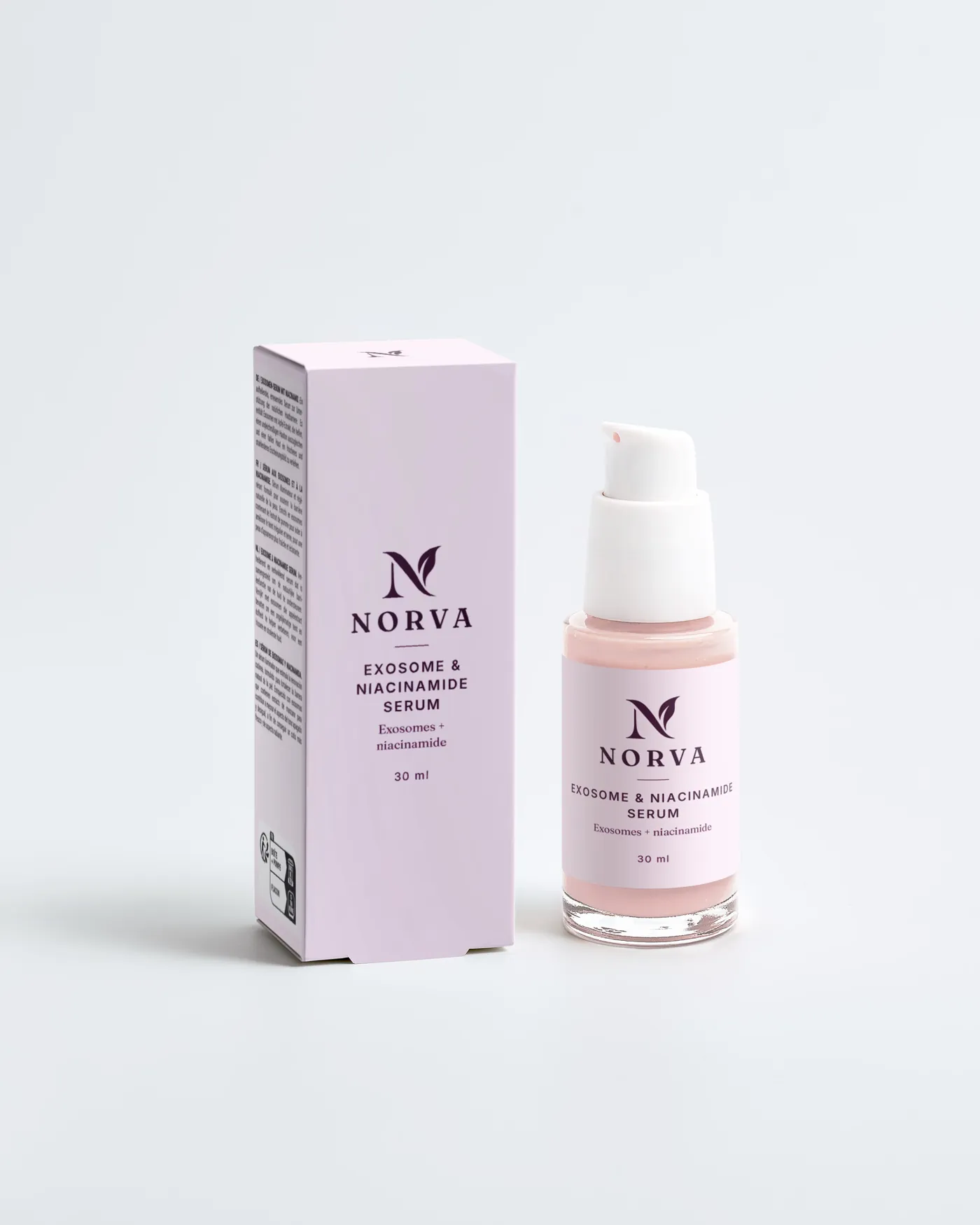
The Exosome & Niacinamide Serum is £30 for 30 ml. It is a creamy, fragrance-free serum with niacinamide, apple-derived exosomes, a lactobacillus ferment, centella asiatica, hyaluronic acid and a little lactic acid, for all skin types including sensitive. It is vegan and made in the EU. We do not publish its niacinamide percentage, so we are not going to quote one; niacinamide is eighth on its ingredient list. The lactic acid is a mild exfoliating acid, worth knowing if you are also using other acids. Follow the application directions on the packaging, and use the steps above for how to fit it into your routine.
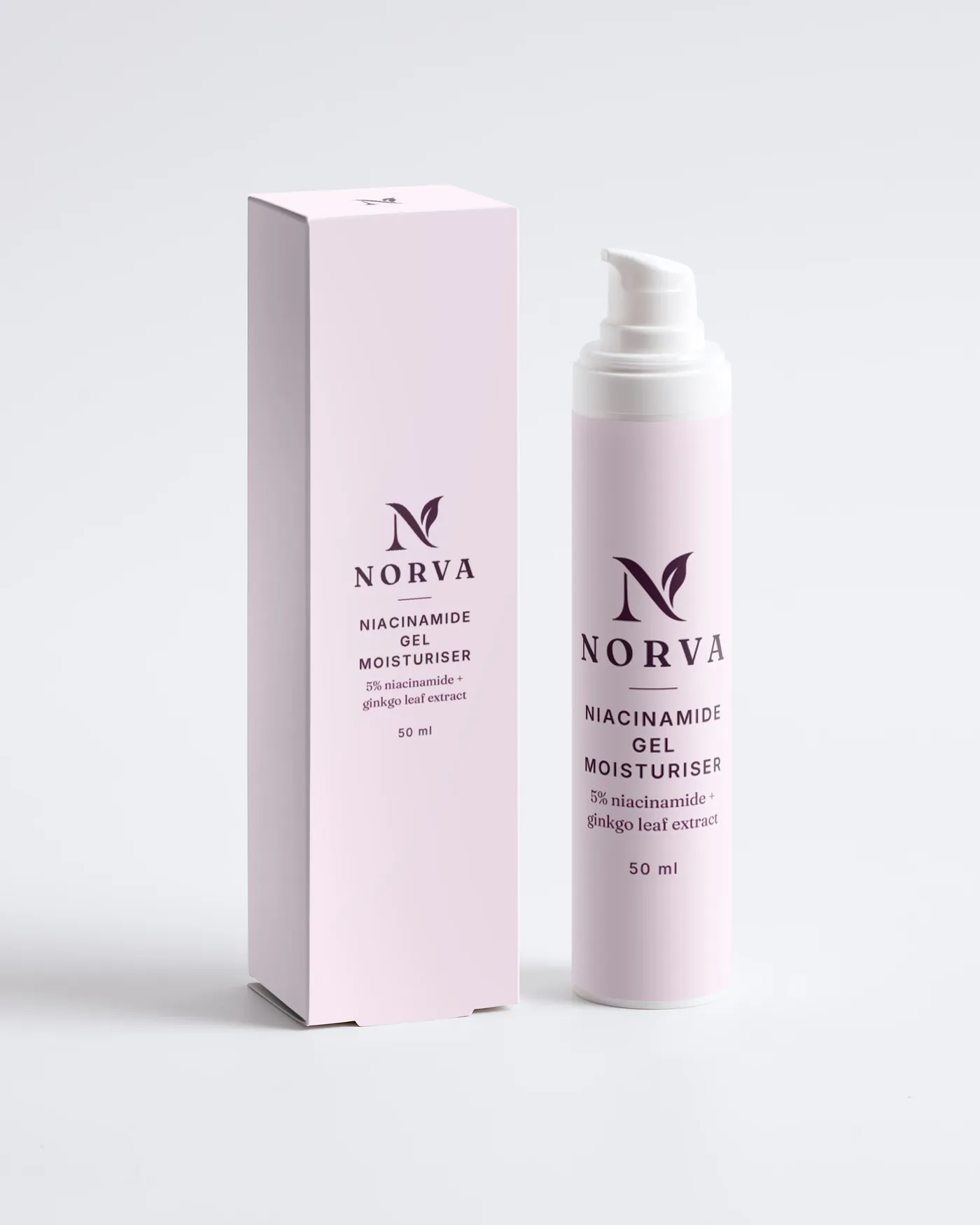
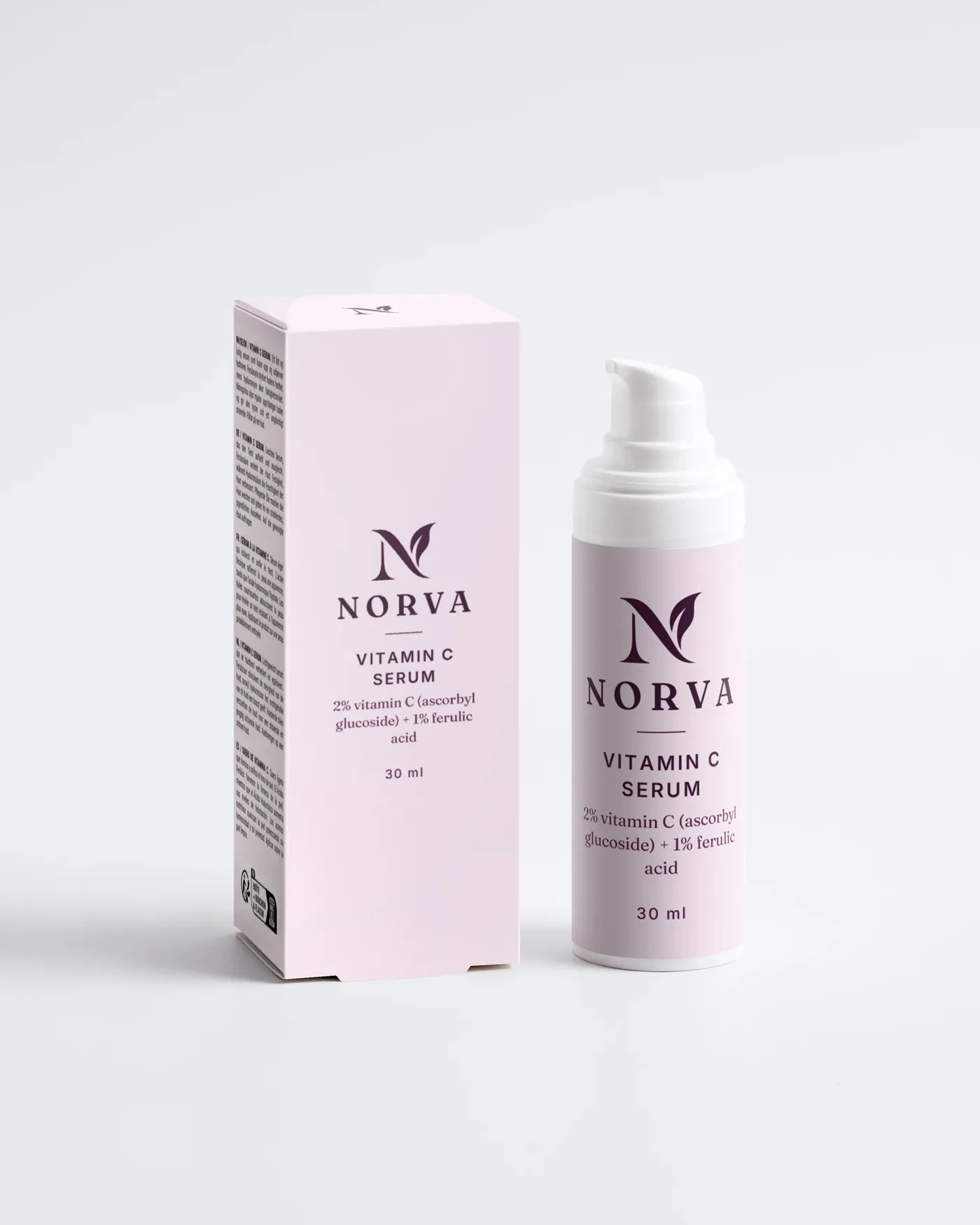
If you would rather have a stated strength in fewer steps, our Niacinamide Gel Moisturiser (£28, 50 ml) contains 5% niacinamide and replaces your moisturiser step. It is fragranced and lists alcohol second, so it is less suited to reactive skin than the serum. The serum also comes with our Vitamin C Serum as The Glow Duo for £51, £9 less than separately.
Everything ships to order from the EU in typically 6 to 10 working days, with free UK and EU delivery over £55 and 30-day returns on unused items. Subscriptions save 10% every 30 days, 15% on two every 60 days, or 20% on three every 90 days.
Who this is not for
If you want to know which percentage to buy, that is a separate question, answered in our strengths page. If you have acne, rosacea or melasma, niacinamide may be part of a routine, but a GP or dermatologist should be the one planning it. If your skin is red, cracked, weeping or intensely itchy, stop new products and see a pharmacist or GP. And if you want a niacinamide serum with a stated percentage on the label, ours does not publish one.
The short version
Use a few drops of niacinamide serum on clean skin once or twice a day, before moisturiser, with sunscreen in the morning. Patch test first, start once a day, and give it twelve weeks with a day-one photo. Our fragrance-free Exosome & Niacinamide Serum is £30 for 30 ml.
References
- 1.Bissett, Oblong and Berge (2005). Niacinamide: a B vitamin that improves aging facial skin appearance. Dermatologic Surgery.
- 2.Bissett et al. (2004). Topical niacinamide reduces yellowing, wrinkling, red blotchiness, and hyperpigmented spots in aging facial skin. International Journal of Cosmetic Science.
- 3.Hakozaki et al. (2002). The effect of niacinamide on reducing cutaneous pigmentation and suppression of melanosome transfer. British Journal of Dermatology.
- 4.Draelos, Matsubara and Smiles (2006). The effect of 2% niacinamide on facial sebum production. Journal of Cosmetic and Laser Therapy.
- 5.Soma et al. (2005). Moisturizing effects of topical nicotinamide on atopic dry skin. International Journal of Dermatology.
- 6.Cosmetic Ingredient Review Expert Panel (2005). Final report of the safety assessment of niacinamide and niacin. International Journal of Toxicology.
- 7.NHS. Contact dermatitis: symptoms, causes, when to see a pharmacist or GP.
- 8.Hughes et al. (2013). Sunscreen and prevention of skin aging: a randomized trial. Annals of Internal Medicine.
- 9.The Ordinary Niacinamide 10% + Zinc 1% UK product page (how to use), checked 30 September 2026.
Frequently asked questions
Should I use niacinamide serum in the morning or at night?
Either, or both. The cosmetic safety review found niacinamide is not a photosensitiser, so timing is about your routine, not the ingredient. The main trials applied it twice a day. If you use it once, morning suits most people because it sits happily under sunscreen.
How much niacinamide serum should I use?
Enough to cover the face in a thin layer, usually a few drops or a pea-sized amount. Brands generally say a few drops. More does not work faster, and too much can pill under moisturiser or feel tacky.
Can I use niacinamide serum every day?
Yes. The 12-week trials used it twice daily, every day. Daily use is how the results were achieved. If it tingles, drop to once a day rather than stopping altogether.
How long does niacinamide serum take to work?
Oiliness can change within two to four weeks. Tone improved in four weeks in one study. The main fine-line and blotchiness results were measured at twelve weeks of twice-daily use. Give it three months before judging.
Do I apply niacinamide serum before or after moisturiser?
Before. Serum goes on clean skin, moisturiser over it, and sunscreen last in the morning. If your niacinamide is already in a moisturiser, it replaces that step.
Should I patch test niacinamide serum?
Yes, as with anything new. Apply a small amount to the inner arm and leave it for 24 hours. If there is no redness, itching or bumps, try it on a small patch of your face for a few days before using it all over.
Gear for this
Related reading
Niacinamide Serum: 5%, 10% or 20%? What the Studies Used
Should you buy 5%, 10% or 20% niacinamide serum? We read the published trials to see which strengths were actually tested, and what happens above 5%.
How to Apply Your Skincare, and in What Order
Where each Norva product sits in a morning and evening routine, how to layer a serum under a cream without pilling, and the order for the Peptide Routine, the Barrier Reset Routine and Sensitive Skin Essentials.
Why a Small 28-Day Skincare Trial Is Weak Evidence: A Worked Example
A 49-person, 28-day study of a peptide cream reported improvements in firmness and wrinkles. Using it as a case study in how to read the clinical claims on any product page.