Loading…
Guide
Niacinamide and Salicylic Acid: Together, or Which Is Better?
11 min read
We should say this first: we do not sell a salicylic acid product. We sell niacinamide, and we get asked constantly whether it is safe to use with the salicylic acid cleanser or toner someone already owns, or whether they should drop one for the other. That question deserves a straight answer, even from a shop that only stocks half of it. So here is how niacinamide and salicylic acid compare, whether you can use them together, and how we would set up a routine with both.
Can you use niacinamide and salicylic acid together?
Yes, for most people. They do different jobs, they are not known to react with each other, and plenty of products combine them. Salicylic acid is an oil-soluble exfoliant that gets into pores and loosens the skin cells blocking them. Niacinamide is a vitamin B3 that helps with oiliness, redness, uneven tone and the barrier. The practical risk is dryness or stinging from the salicylic acid, not a clash between the two. Start salicylic acid a few times a week, keep niacinamide daily, and if your skin gets tight or sore, move them to different times of day.
What salicylic acid does
Salicylic acid is a beta hydroxy acid. A review in Clinical, Cosmetic and Investigational Dermatology describes it as lipophilic, which means it mixes with oil, so it can get into the oily lining of pores where water-based acids struggle. It loosens the bonds between dead skin cells so they shed, it is comedolytic (it helps clear blackheads and whiteheads), and it has anti-inflammatory properties, being a close chemical relative of aspirin (Arif, 2015). The same review lists acne as a use at concentrations from 0.5% to 10%, with far higher strengths reserved for clinic peels.
In the UK, leave-on cosmetic products for the face are capped at 2% salicylic acid, body lotions at 0.5%, and it must not be used in products for children under three (Cosmetics Regulation, Annex III). So anything you buy off the shelf for your face is 2% or less.
The NHS lists salicylic acid, along with benzoyl peroxide, as a treatment you can try yourself for acne, and suggests speaking to a pharmacist for advice (NHS, acne).
What niacinamide does
Niacinamide covers a wider spread of jobs, more gently.
Oil. In a placebo-controlled study of 100 Japanese participants, a 2% niacinamide moisturiser significantly lowered the rate of sebum production after two and four weeks. In a smaller split-face study of 30 Caucasian participants, surface oil levels fell after six weeks, though the production rate did not change significantly (Draelos, Matsubara and Smiles, 2006).
Redness and tone. In a 12-week split-face trial, 5% niacinamide twice daily reduced the look of red blotchiness, dark spots, fine lines and sallowness compared with the plain base (Bissett, Oblong and Berge, 2005).
Spots. An older double-blind trial compared a 4% nicotinamide gel with 1% clindamycin gel, a prescription antibiotic, in 76 people with moderate inflammatory acne over eight weeks. Both groups improved to a similar degree (Shalita and colleagues, 1995). That was a trial of a treatment for a medical condition, not a cosmetic serum, and it does not mean a niacinamide serum treats acne. It does explain why niacinamide keeps turning up in spot-prone skincare.
Tolerance. The cosmetic safety review found no stinging in clinical testing at up to 10% and no irritation in use tests at up to 5% (Cosmetic Ingredient Review, 2005).
The NHS acne page also notes that a pharmacist can recommend supplements for acne, including niacinamide tablets (NHS, acne). That is oral, not a serum, but it tells you the ingredient is taken seriously.
Niacinamide vs salicylic acid: which is better?
Neither is better overall. They are better at different things. A 2025 consensus of 62 cosmetic dermatologists across 43 centres agreed on salicylic acid for acne and oily skin, and on niacinamide for redness and dark spots (Alvarez and colleagues, 2025). That matches what we would tell a customer.
For blackheads, whiteheads and clogged pores: salicylic acid. It is the one that gets into the pore.
For shine and greasiness: either. Niacinamide has the sebum study behind it and is gentler. Salicylic acid helps too.
For redness and uneven tone: niacinamide. Salicylic acid can make redness worse if it irritates.
For marks left behind after spots: niacinamide, with daily sunscreen, and patience.
For sensitive or dry skin: niacinamide first. Salicylic acid can dry and sting, and that is the most common reason people give it up.
For bumpy skin on the backs of the arms: salicylic acid in a body product. That is a body job and a different page.
If you have combination skin with an oily T-zone, clogged pores on the nose and some redness on the cheeks, the honest answer is both, in different places or at different times.
How to use niacinamide and salicylic acid in the same routine
There are three set-ups that work. Pick the one that suits your skin, not the most intensive one.
Option 1: salicylic acid in the cleanser, niacinamide as a serum. The gentlest way to combine them. A salicylic acid face wash is on the skin for a minute and then rinsed off. Follow with niacinamide serum and a moisturiser. Morning, evening or both.
Option 2: salicylic acid at night, niacinamide in the morning. Use a leave-on salicylic acid product a few evenings a week, and niacinamide every morning under sunscreen. This keeps the exfoliant away from daytime and halves the chance of irritation. It is where we would start for most people.
Option 3: both in the same routine. Salicylic acid first (it is usually the thinner liquid), give it a minute, then niacinamide, then moisturiser. Fine for oily, resilient skin. We would not start here.
In every case, moisturiser after, and sunscreen every morning. Exfoliated skin is more exposed, and any evening-out of tone will not hold without sun protection. For the general layering rule, thinnest to thickest, see how to apply serums and in what order.
Starting slowly
Salicylic acid is the variable here, so introduce it the way you would any exfoliant.
Week one and two: salicylic acid two or three evenings a week, niacinamide every morning.
Week three onwards: if your skin is comfortable, go to every other evening, or daily if the product is designed for it.
If you get tightness, flaking or stinging: drop back a step. If it continues, stop the salicylic acid and give your skin a couple of weeks of gentle cleanser, niacinamide and moisturiser only. Our page on what skin barrier repair means covers how to calm skin that has been over-exfoliated.
Do not add a third exfoliant. If your routine already has glycolic acid, lactic acid, a retinoid or a scrub, adding salicylic acid on top is how most people end up with a damaged barrier.
A sample week for combination skin
This is roughly what we would suggest to someone with an oily nose and chin, a few blackheads, and cheeks that go pink easily. Adjust it to your own skin.
Every morning: gentle cleanser or just water, niacinamide serum or gel, moisturiser if you need one, sunscreen.
Monday, Wednesday and Friday evenings: cleanse, a thin layer of salicylic acid on the nose, chin and forehead only, a minute to settle, then moisturiser. Leave the cheeks out.
Other evenings: cleanse, moisturiser, nothing else. These nights are when your skin recovers, and they matter as much as the active nights.
After three or four weeks, look at two things. Are the blackheads fewer? Are the cheeks calmer or angrier? If the first is yes and the second is calmer, you can try a fourth salicylic evening. If the cheeks are angrier, go back to two evenings and check nothing else in your routine is fragranced or exfoliating.
Most people find that the T-zone wants more salicylic acid than the cheeks do. Treating your face as one area is a common reason this pairing gets blamed for irritation it did not cause.
Does any brand say not to mix them?
It is worth checking what the brand of your specific products says, because some publish their own conflict lists. When we checked The Ordinary's UK page for its Niacinamide 10% + Zinc 1% serum on 30 September 2026, its "do not use with" list named direct and indirect vitamin C. Salicylic acid was not on it. That is one brand's guidance for its own products, but it reflects the general picture: niacinamide and salicylic acid are not a pairing brands usually warn against.
Where our products fit, and where they do not
We sell the niacinamide half only. Here it is, honestly.
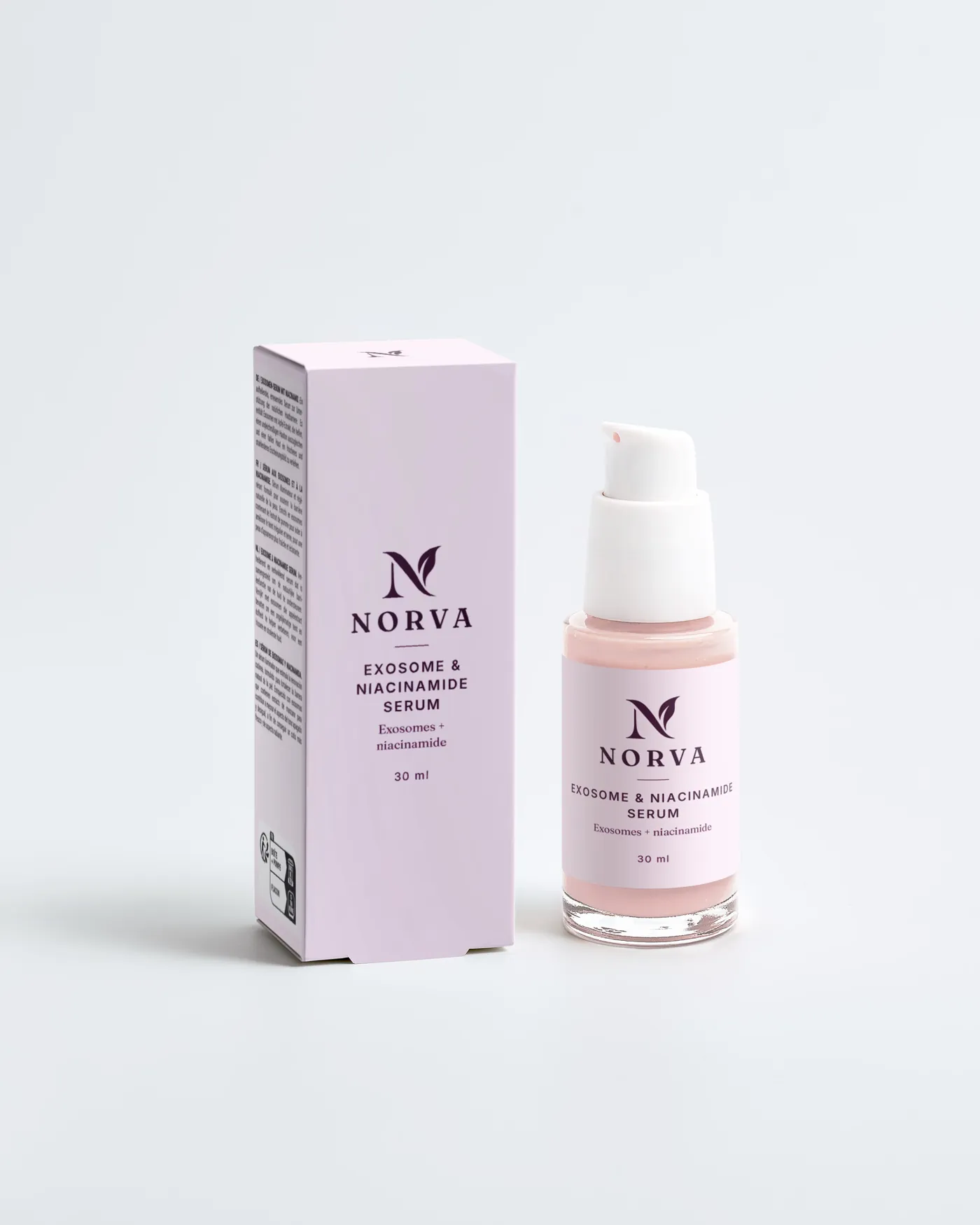
Exosome & Niacinamide Serum, £30 for 30 ml. Niacinamide with exosomes, a lactobacillus ferment, centella asiatica and hyaluronic acid, in a creamy, fragrance-free base, for all skin types including sensitive. We do not publish its niacinamide percentage, so we will not quote one. Two things matter for this page. First, it contains a little lactic acid, which is also an exfoliating acid. If you use a leave-on salicylic acid product in the same routine, you are stacking two acids, and on reactive skin we would keep them at different times of day. Second, it has jojoba oil in the base. Many oily-skinned people are fine with that, but if you want a completely oil-free, watery serum, this is not it.
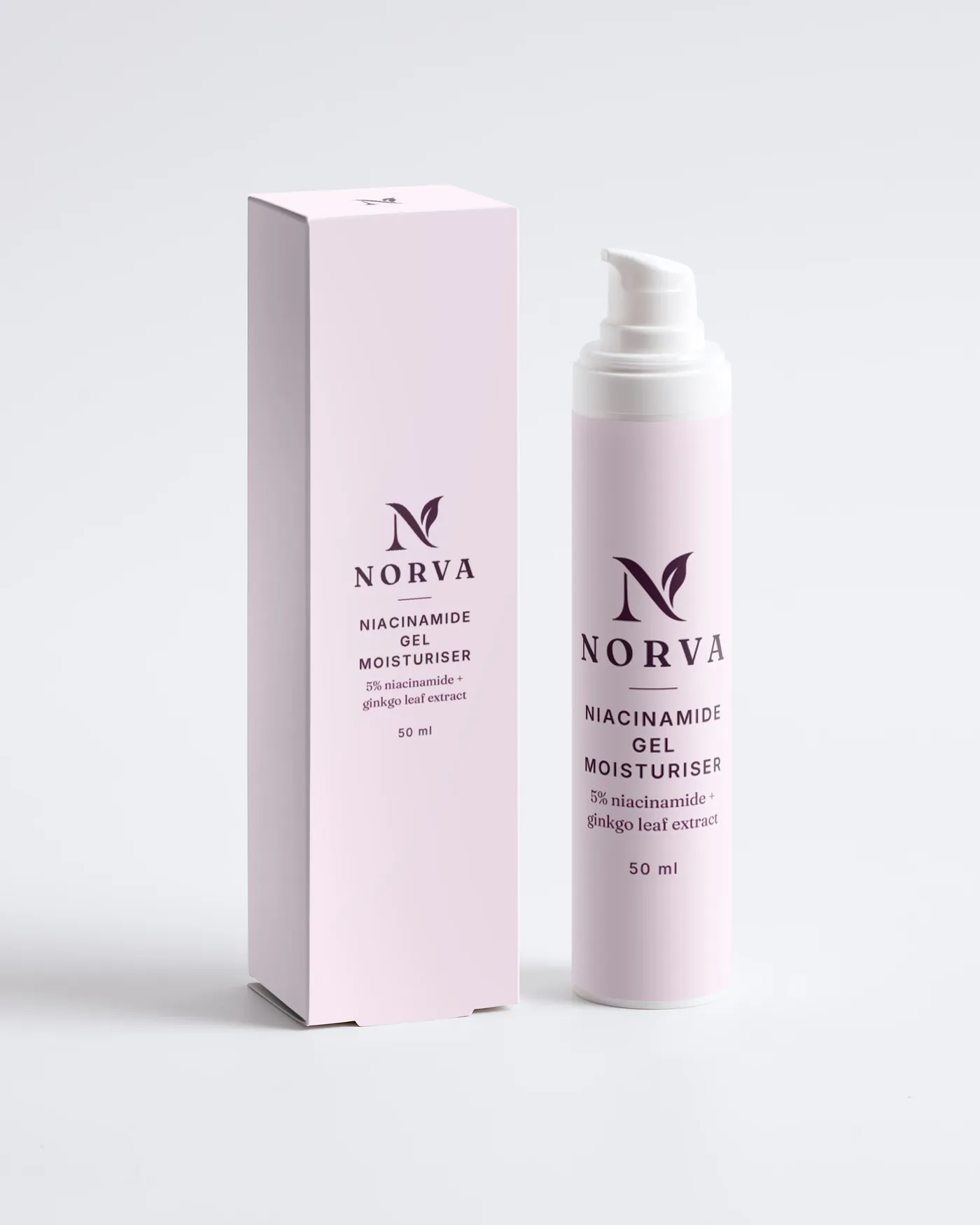
Niacinamide Gel Moisturiser, £28 for 50 ml. A stated 5% niacinamide with ginkgo leaf extract in a light gel, for all skin types. The gel texture suits oily skin and it doubles as your moisturiser, so for a salicylic acid cleanser plus niacinamide routine it is the simplest pairing we have. It is fragranced, and it lists alcohol second in its ingredients, which can sting skin that salicylic acid has already dried out. If that happens, switch to the serum and a plain moisturiser.
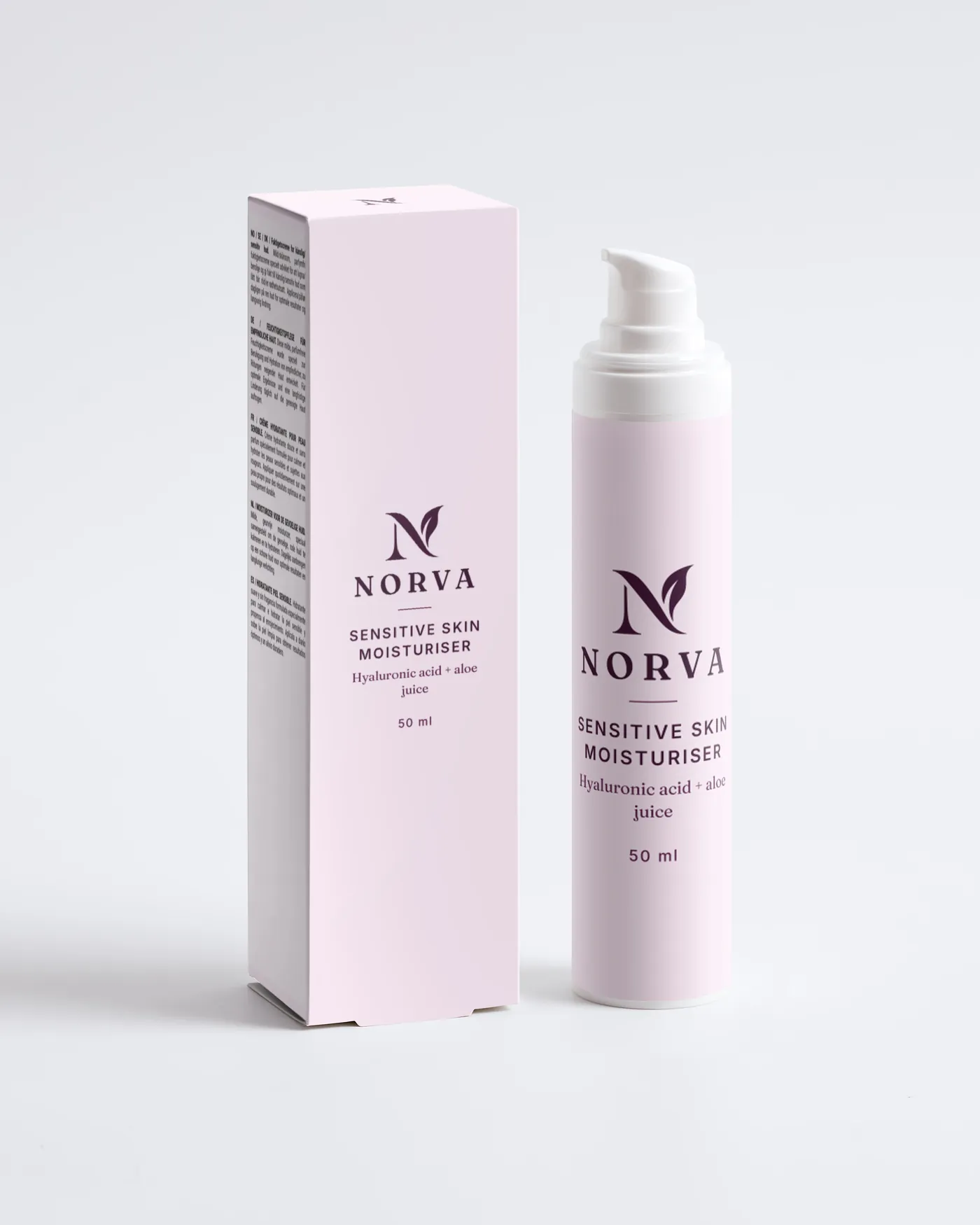
Sensitive Skin Moisturiser, £32 for 50 ml. Fragrance-free, for sensitive and dehydrated skin. This is the one we would put over the top if salicylic acid is leaving your skin tight.
For salicylic acid itself, go to a pharmacy. A pharmacist can recommend an over-the-counter product at a sensible strength and tell you whether a cleanser or a leave-on product suits you better. We are not going to point you to a particular brand, because we have not checked their pages today, and we do not make one.
Our products are made in the EU, made to order and shipped in typically 6 to 10 working days, with free UK and EU delivery over £55 and 30-day returns on unused items. Patch test anything new on the inner arm for 24 hours first.
When to see a GP instead
The NHS advises seeing a GP for acne if you have tried treating it yourself and it is not getting better, if you have lots of spots or they are deep, painful or causing scars, if there are signs of infection such as hot, swollen skin, or if it is affecting your mental health (NHS, acne). A GP can offer prescription treatments that are stronger than anything on a shop shelf. No combination of niacinamide and salicylic acid replaces that.
Salicylic acid peels are not recommended in pregnancy because of salicylic acid's close relationship to aspirin (Arif, 2015). That review is about high-strength peels, not a 2% face wash, but if you are pregnant, ask your midwife or pharmacist before starting any salicylic acid product.
Who this is not for
If you want a salicylic acid product, we do not sell one, and this page will not change that. If your skin is dry, sensitive or already over-exfoliated, salicylic acid may be more than you need, and niacinamide with a good moisturiser may be enough. If you have moderate to severe acne, cysts or scarring, you need a GP, not a new serum. And if you want the cheapest stated-percentage niacinamide to pair with your salicylic acid, several brands undercut ours, which we laid out in best niacinamide serums in the UK.
The short version
Niacinamide and salicylic acid can be used together. Salicylic acid clears pores and suits blackheads and oily skin; niacinamide suits shine, redness and uneven tone, and is gentler. Start salicylic acid slowly, keep niacinamide daily, split them morning and night if your skin prefers, and wear sunscreen. We sell the niacinamide half: the fragrance-free Exosome & Niacinamide Serum at £30 and the 5% Niacinamide Gel Moisturiser at £28. For salicylic acid, ask a pharmacist.
References
- 1.Arif (2015). Salicylic acid as a peeling agent: a comprehensive review. Clinical, Cosmetic and Investigational Dermatology.
- 2.Regulation (EC) No 1223/2009 on cosmetic products (as retained in UK law), Annex III, entry 98: salicylic acid.
- 3.NHS. Acne: things you can do, pharmacist and GP advice.
- 4.Draelos, Matsubara and Smiles (2006). The effect of 2% niacinamide on facial sebum production. Journal of Cosmetic and Laser Therapy.
- 5.Shalita et al. (1995). Topical nicotinamide compared with clindamycin gel in the treatment of inflammatory acne vulgaris. International Journal of Dermatology.
- 6.Alvarez et al. (2025). Skincare ingredients recommended by cosmetic dermatologists: a Delphi consensus study. Journal of the American Academy of Dermatology.
- 7.Bissett, Oblong and Berge (2005). Niacinamide: a B vitamin that improves aging facial skin appearance. Dermatologic Surgery.
- 8.Cosmetic Ingredient Review Expert Panel (2005). Final report of the safety assessment of niacinamide and niacin. International Journal of Toxicology.
- 9.The Ordinary Niacinamide 10% + Zinc 1% UK product page (do not use with list), checked 30 September 2026.
Frequently asked questions
Can you use niacinamide and salicylic acid together?
Yes, for most people. They do different jobs and there is no known chemical conflict between them. The risk is dryness or irritation from the salicylic acid, so start it a few times a week and keep niacinamide daily. If your skin stings, space them out.
Is niacinamide or salicylic acid better for acne?
Salicylic acid is the one the NHS names for spots you can treat yourself, alongside benzoyl peroxide. It gets into pores and loosens blocked skin. Niacinamide is better at oiliness, redness and uneven tone. For regular breakouts, many people use both. For deep, painful or scarring spots, see a GP.
Which is better for oily skin, niacinamide or salicylic acid?
Both help, in different ways. A 2% niacinamide moisturiser lowered sebum in a controlled study. Salicylic acid is oil-soluble and clears blocked pores. If shine is the main complaint, start with niacinamide. If blackheads and bumps are, start with salicylic acid.
Should I use salicylic acid or niacinamide first?
Salicylic acid first, usually as a cleanser or a thin leave-on product, then niacinamide, then moisturiser. Many people prefer salicylic acid in the evening and niacinamide in the morning, which also halves the chance of irritation.
Does Norva sell a salicylic acid product?
No. We sell niacinamide, in the fragrance-free Exosome & Niacinamide Serum and the 5% Niacinamide Gel Moisturiser, but no salicylic acid. For salicylic acid, a pharmacist can recommend an over-the-counter product.
Gear for this
Related reading
Niacinamide Serum: 5%, 10% or 20%? What the Studies Used
Should you buy 5%, 10% or 20% niacinamide serum? We read the published trials to see which strengths were actually tested, and what happens above 5%.
How to Apply Your Skincare, and in What Order
Where each Norva product sits in a morning and evening routine, how to layer a serum under a cream without pilling, and the order for the Peptide Routine, the Barrier Reset Routine and Sensitive Skin Essentials.
Skin Barrier Repair: What It Means and How to Do It
How to repair your skin barrier, plainly: what the barrier is, what damages it, the signs, the ingredients with evidence, and a routine that works in weeks.