Loading…
Guide
Skin Barrier Repair Serum: What to Look For and What to Skip
10 min read
A skin barrier repair serum is a slightly odd product, and we sell one, so let us start with the uncomfortable part. The thing that does most of the repairing in a barrier routine is not the serum. It is stopping whatever caused the damage, and a cream with enough oil and lipid to hold water in. A serum sits between those two, and it can help, but only if you choose one that does not make things worse. This page is about how to choose, what the evidence supports, and where our jelly serum is and is not a good fit.
What is a skin barrier repair serum, and does it work?
A skin barrier repair serum is a light, usually water-based product that delivers ingredients which help skin hold water and rebuild its protective outer layer: humectants such as glycerin, hyaluronic acid and sodium PCA, and supporting actives such as niacinamide or panthenol. It can make stressed skin feel more comfortable quickly and support recovery over weeks. It does not supply the oils and lipids a cream provides, so on its own it is rarely enough. Use it under a moisturiser, choose one without fragrance or high alcohol while your skin is stinging, and give the routine at least four weeks.
What the barrier is, in two paragraphs
Your skin barrier is mostly the outermost layer, the stratum corneum. A review in Experimental Dermatology describes it as flattened, protein-filled cells held together in a matrix of lipids, mainly ceramides, fatty acids and cholesterol, which together stop water escaping and irritants getting in (Proksch, Brandner and Jensen, 2008). When that layer is disturbed, water leaves faster, things that used to feel fine start to sting, and skin looks red, dull or flaky.
Water itself is part of the machinery. Every step in building and maintaining the barrier, from strengthening those outer cells to processing lipids and making the skin's own natural moisturising factor, is influenced by how hydrated the outer layer is (Rawlings and Harding, 2004). That is the case for a hydrating serum in one sentence. If you want the full explanation, read what skin barrier repair means.
Serum or cream: which one does the repairing?
Both play a part, and they are different parts.
A serum is mostly water and humectants. It pulls water into the outer layer and can carry an active ingredient. It feels light, absorbs quickly, and sits well under other products.
A cream carries the oils, butters and fatty ingredients that sit on and in the outer layer and slow water loss. That is the "sealing" job, and a damaged barrier needs it most.
So if you can only buy one product, buy the cream. We cover how to choose one in skin barrier repair cream, and daytime textures in skin barrier repair moisturiser. This page is only about the optional serum step.
Ingredients worth looking for, graded
Glycerin (good evidence). Cheap, boring, and one of the best-studied skin ingredients there is. A review in the British Journal of Dermatology describes it improving hydration of the outer layer, barrier function and skin's mechanical properties, and protecting against irritating stimuli (Fluhr, Darlenski and Surber, 2008). If a barrier serum has glycerin near the top of its list, that is a good sign.
Hyaluronic acid (good evidence for hydration). In a study of 40 women using a hyaluronic acid serum twice daily for six weeks, skin hydration measured by instrument rose 134% immediately after application and was still 55% above baseline at week six, with no signs of irritation (Draelos and colleagues, 2021). It hydrates; it does not seal. Put a cream over it.
Niacinamide (some evidence for barrier support). In skin cells, nicotinamide raised ceramide production four- to five-and-a-half-fold, and on dry skin it increased barrier lipids and reduced water loss (Tanno and colleagues, 2000). In 28 people with atopic dry skin, a 2% nicotinamide cream on one forearm reduced water loss more than petroleum jelly on the other (Soma and colleagues, 2005).
Panthenol (some evidence). After skin was deliberately irritated with a detergent, a dexpanthenol cream significantly sped up barrier repair, improved hydration and reduced redness compared with the plain cream (Proksch and Nissen, 2002). That study used a cream, but panthenol turns up in serums too.
Sodium PCA (supporting). A humectant, often found alongside glycerin. Useful, not a hero.
Probiotic and prebiotic ferments (early evidence). This is the newest category and the least proven. In one study, a lotion containing a blend of lactobacillus ferment lysates was used for 30 days; water loss through the skin and measured redness fell significantly and hydration rose compared with the start (Cui and colleagues, 2023). There was no separate control group, it tested a specific branded blend rather than ferments in general, and most of the authors worked for the company that makes the ingredient. Interesting, not settled.
Ceramides belong in any barrier conversation, but they usually live in creams because they need an oily base; our cream page covers them.
What to avoid while your skin is stinging
Fragrance. Fragrance is one of the most common causes of cosmetic contact allergy. In a study that patch-tested 3,119 adults from the general population in five European countries, 1.9% reacted to fragrance mix II and 1.8% to fragrance mix I (Diepgen and colleagues, 2016). Most people are fine, but a stripped barrier lets irritants in more easily, so while skin is stinging, fragrance-free removes one variable.
Alcohol high in the list. Listed as alcohol or alcohol denat. It makes serums feel light and quick-drying. A safety review of ethanol on skin found it is associated with skin irritation or contact dermatitis in some people, especially those with a reduced ability to break it down (Lachenmeier, 2008). On intact skin most people tolerate it. On broken, stinging skin it is more likely to burn. Fatty alcohols like cetearyl alcohol are different: they are waxy, non-drying ingredients and not a concern here.
Exfoliating acids. Glycolic, lactic and salicylic acids in a "barrier" serum are a mixed message. Pause them until skin is calm.
Essential oils. They are fragrance, whatever the label says about being natural.
How to use a barrier repair serum
- Cleanse gently, once or twice a day, with lukewarm water. Pat dry, leave skin slightly damp.
- Serum, a thin layer. Humectants work best on damp skin.
- Cream or moisturiser over it straight away, to keep the water in.
- Sunscreen in the morning.
- Stop the actives that caused the damage: acids, retinoids, scrubs, strong vitamin C. Bring them back one at a time once skin has been comfortable for a couple of weeks.
How long: hydration feels better within minutes, but barrier recovery is slower. In a study where skin was irritated with a detergent, measurements did not normalise for two weeks and full recovery, including how easily the skin re-irritated, took about four weeks (Lee, Effendy and Maibach, 1997). Plan on a month.
Our barrier serum, honestly
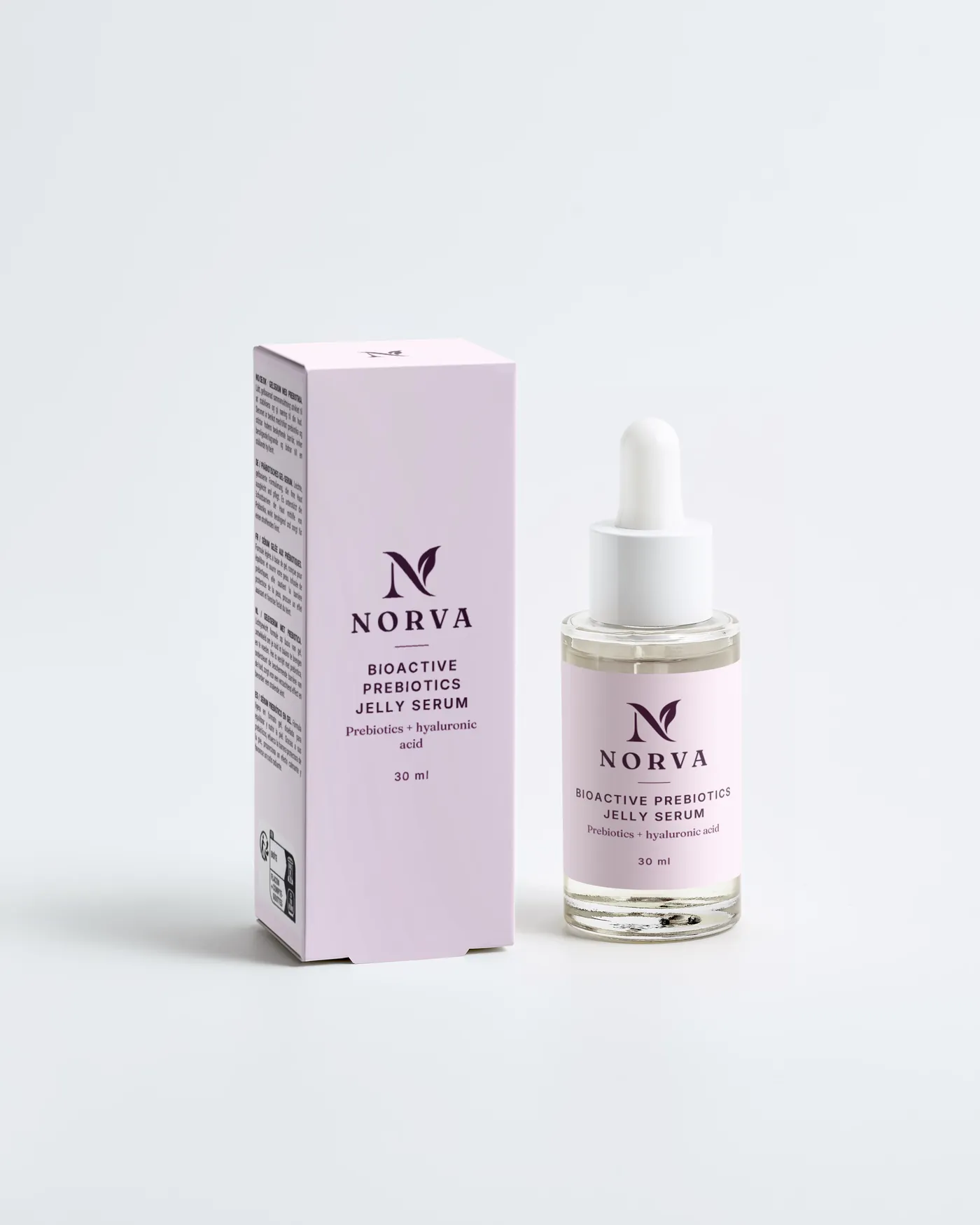
The Bioactive Prebiotics Jelly Serum is £30 for 30 ml. It is a lightweight gel serum made for all skin types, including barrier-stressed skin, with prebiotics to support the skin's protective barrier and microbiome, and hyaluronic acid and sodium PCA to hydrate for a calmer look. It is made in the EU.
Here is the full ingredient list, because it matters for this page: water, alcohol, glycerin, sodium PCA, cellulose gum, algin, lactobacillus ferment lysate, parfum (fragrance), sodium phytate, potassium sorbate, sodium benzoate, hydrolysed hyaluronic acid, sodium hyaluronate and patchouli oil.
The good: glycerin third, sodium PCA fourth, two forms of hyaluronic acid, a lactobacillus ferment lysate, a short list, and a light jelly texture that sits well under a cream.
The honest part: alcohol is the second ingredient, and the serum contains fragrance, with a fresh green, citrus and mint scent, plus patchouli oil. By our own advice above, that makes it a poor choice for skin that is actively stinging, broken or reacting to fragrance. It suits skin that feels tight, dull and stressed from central heating, weather or a busy few weeks, and that is not burning when you apply things. Patch test on the inner arm for 24 hours first.
If your skin is stinging right now, we would pick one of these instead:
- No serum. A gentle cleanser, a plain moisturiser, sunscreen. For many people this is the fastest route.
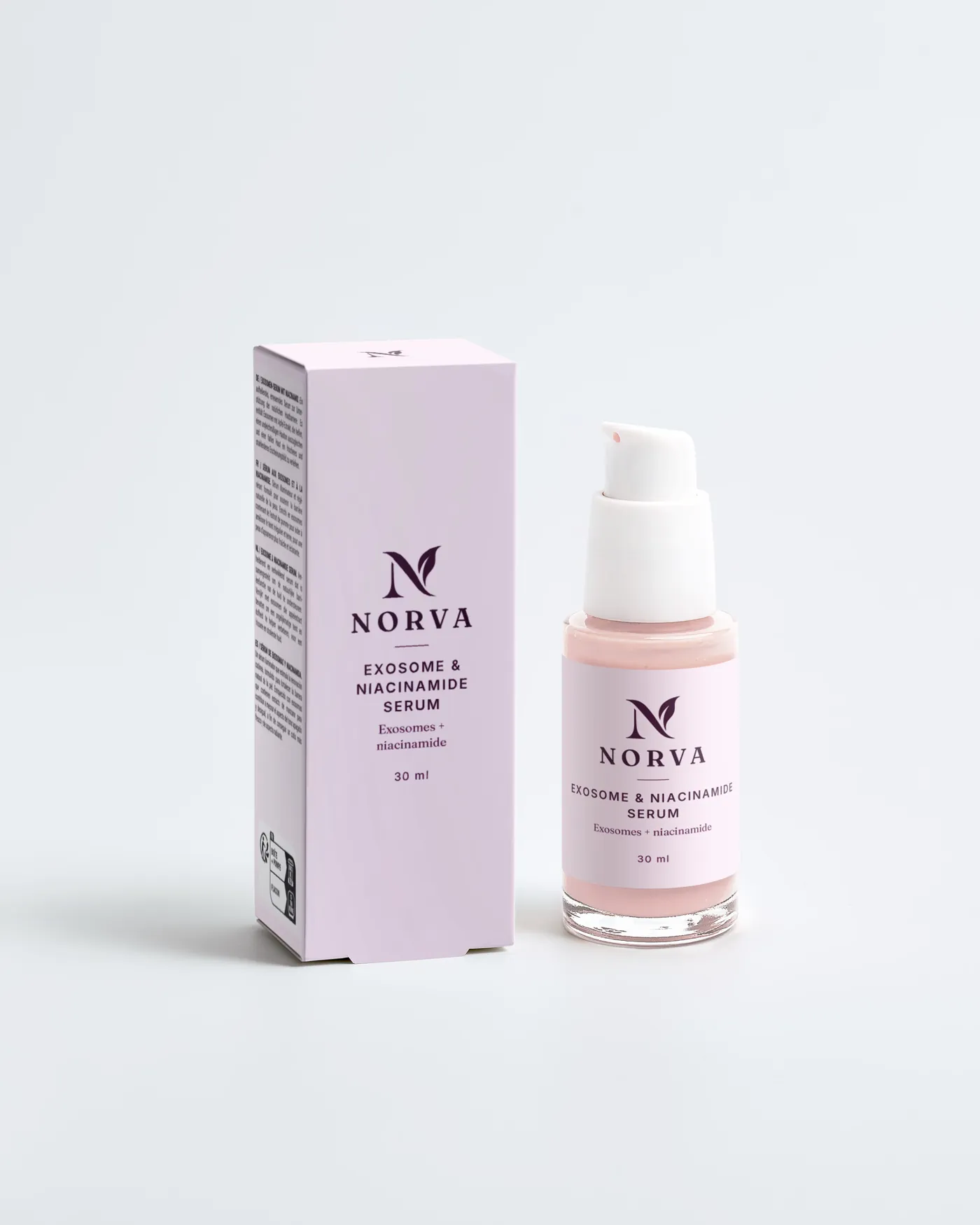
- Our Exosome & Niacinamide Serum (£30, 30 ml), which is fragrance-free and has no alcohol other than waxy cetearyl alcohol. It contains niacinamide, glycerin and hyaluronic acid. It also contains a little lactic acid, a mild exfoliant, so on very raw skin we would still wait a couple of weeks before starting it.
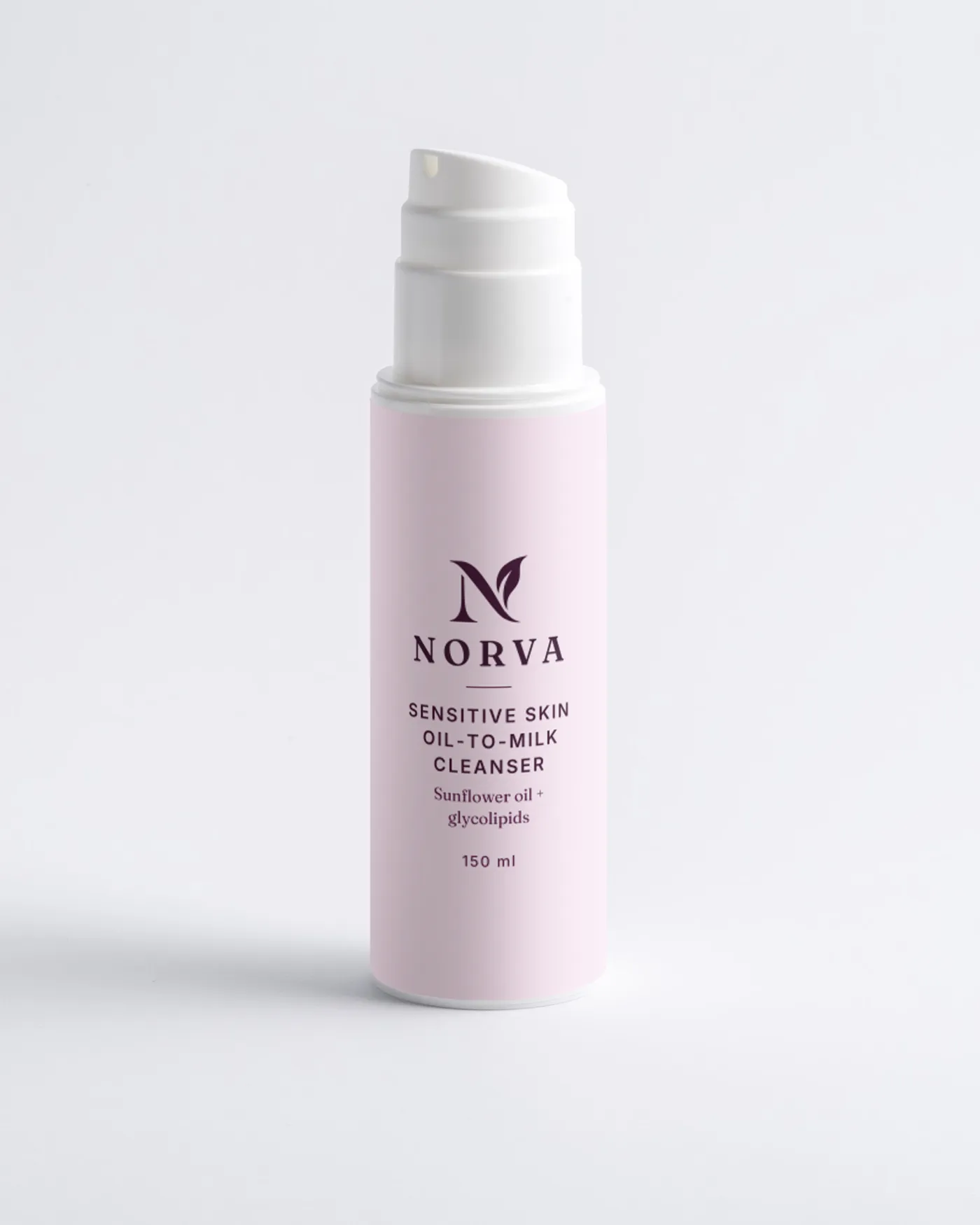
The jelly serum is also part of our Barrier Reset Routine, £75 with the Sensitive Skin Oil-To-Milk Cleanser and the Ceramide Barrier Night Cream, £13 less than buying the three separately. All three products in that set are fragranced, which we would rather say plainly.
Everything is made to order and shipped from the EU in typically 6 to 10 working days, with free UK and EU delivery over £55 and 30-day returns on unused items. The serum can be subscribed to at 10% off every 30 days, 15% off two every 60 days, or 20% off three every 90 days.
Mistakes we see with barrier serums
Adding a serum instead of removing the cause. If an acid toner or a retinoid stripped your skin, a serum on top will not undo it while you keep using the acid. Subtraction first.
Serum with no cream over it. A humectant on its own pulls water to the surface, and without something to hold it there, much of it evaporates. Always follow with a moisturiser.
Three hydrating serums layered together. A hyaluronic serum, a barrier serum and a hydrating essence are largely doing the same job. One is enough.
Buying the word "barrier". It is not a regulated term. Read the ingredient list for what is actually in the bottle, including fragrance and alcohol.
Changing everything at once. If you swap cleanser, serum and cream on the same day and skin improves or flares, you will not know which product did it. Change one thing at a time, a week apart.
Giving up at week one. Comfort can come quickly. Recovery takes about a month.
Signs the routine is working
Products stop stinging when you apply them. Skin feels less tight an hour after cleansing. Flaky patches around the nose and mouth settle. Make-up sits better. Redness fades between flare-ups rather than staying constant.
If none of that has shifted after four to six weeks of gentle care, the problem may not be a simple barrier upset.
When a serum is the wrong answer
See a pharmacist or GP instead of buying another product if your skin is cracked, weeping, crusted or very itchy, if the same patches keep coming back, if redness comes with bumps, burning or visible blood vessels, or if nothing improves after a month of gentle care. Those can be eczema, contact dermatitis, rosacea or seborrhoeic dermatitis, which need a diagnosis. Our page on why your face is red and flaky goes through the common causes and when to get help.
Who this is not for
If your skin is comfortable and you just want more glow, you do not need a barrier serum. If your skin is stinging or you react to fragrance, our jelly serum is not the right pick, for the reasons above. If you want a single product to do the whole job, buy a barrier cream instead. And if you want the cheapest possible barrier serum, several high-street brands sell glycerin and hyaluronic acid serums for less than ours.
The short version
A skin barrier repair serum helps by putting humectants and a supporting active under your cream. Look for glycerin, hyaluronic acid and niacinamide or panthenol, and skip fragrance and high alcohol while skin stings. Our Bioactive Prebiotics Jelly Serum (£30) is a hydrating jelly for tight, stressed skin, but it contains alcohol and fragrance; for stinging skin, the fragrance-free Exosome & Niacinamide Serum or no serum at all is the better call.
References
- 1.Proksch, Brandner and Jensen (2008). The skin: an indispensable barrier. Experimental Dermatology.
- 2.Rawlings and Harding (2004). Moisturization and skin barrier function. Dermatologic Therapy.
- 3.Fluhr, Darlenski and Surber (2008). Glycerol and the skin: holistic approach to its origin and functions. British Journal of Dermatology.
- 4.Draelos et al. (2021). Efficacy Evaluation of a Topical Hyaluronic Acid Serum in Facial Photoaging. Dermatology and Therapy.
- 5.Tanno et al. (2000). Nicotinamide increases biosynthesis of ceramides as well as other stratum corneum lipids to improve the epidermal permeability barrier. British Journal of Dermatology.
- 6.Soma et al. (2005). Moisturizing effects of topical nicotinamide on atopic dry skin. International Journal of Dermatology.
- 7.Proksch and Nissen (2002). Dexpanthenol enhances skin barrier repair and reduces inflammation after sodium lauryl sulphate-induced irritation. Journal of Dermatological Treatment.
- 8.Cui et al. (2023). Effects of a lotion containing probiotic ferment lysate as the main functional ingredient on enhancing skin barrier: a randomized, self-control study. Scientific Reports.
- 9.Lachenmeier (2008). Safety evaluation of topical applications of ethanol on the skin and inside the oral cavity. Journal of Occupational Medicine and Toxicology.
- 10.Diepgen et al. (2016). Prevalence of contact allergy in the general population in different European regions. British Journal of Dermatology.
- 11.Lee, Effendy and Maibach (1997). Acute irritant contact dermatitis: recovery time in man. Contact Dermatitis.
Frequently asked questions
Does a skin barrier repair serum work?
It can help, as one part of a routine. A serum can deliver humectants like glycerin and hyaluronic acid, and actives like niacinamide or panthenol, which have evidence for hydration and barrier support. It cannot replace the lipids a cream provides, so a serum on its own is rarely enough for a damaged barrier.
What should a barrier repair serum contain?
Look for humectants (glycerin, hyaluronic acid, sodium PCA) plus one supporting active with evidence, such as niacinamide or panthenol. Ideally no fragrance and no alcohol high in the ingredient list while your skin is stinging.
Should I use a serum or a cream to repair my skin barrier?
The cream is the essential step, because it supplies the oils and lipids that stop water escaping. A serum is optional, useful if your skin feels tight and dehydrated under the cream. If you only buy one product, buy the cream.
Is the Norva Bioactive Prebiotics Jelly Serum fragrance-free?
No. It contains fragrance (fresh green, citrus and mint) and patchouli oil, and alcohol is the second ingredient. It suits skin that feels tight and stressed but is not actively stinging. If your skin stings or you react to fragrance, our fragrance-free Exosome & Niacinamide Serum or no serum at all is the better choice.
How long does a barrier repair serum take to work?
Hydrating ingredients make skin feel more comfortable within minutes. Barrier recovery itself takes longer: in a study of irritated skin, full recovery took around four weeks. Give any barrier routine at least a month.
Gear for this
Related reading
Skin Barrier Repair: What It Means and How to Do It
How to repair your skin barrier, plainly: what the barrier is, what damages it, the signs, the ingredients with evidence, and a routine that works in weeks.
Skin Barrier Repair Cream: How to Choose One That Works
What a skin barrier repair cream should contain, what the ceramide evidence says, how to use one at night, and where our Ceramide Barrier Night Cream fits in.
Skin Barrier Repair Moisturiser: Picking a Day Texture
How to choose a skin barrier repair moisturiser for daytime: gel, lotion or cream by skin type, what it needs to contain, and what to avoid while skin stings.