Loading…
Guide
Body Serum Guide: What It Is, When It Helps, When a Cream Wins
10 min read
Body serum is the newest shelf in the body care aisle. The idea is straightforward: take what works in a face serum, niacinamide, hyaluronic acid, gentle acids, and make a light version for arms, legs and torso. Some of it is useful. Some of it is a face-care habit sold in a bigger bottle. We do not make a body serum. We make a body cream with a 5% active in it. This page explains what a body serum is, when the format genuinely matters, and when you would be better off with a cream, including ours.
What is a body serum and do you need one?
A body serum is a lightweight, usually water-based body treatment that carries active ingredients in a thin layer, applied to damp skin after showering and often followed by a lotion or cream. You need one if you want a specific active on your body (niacinamide for uneven tone, hyaluronic acid for surface hydration, a mild acid for bumpy skin) and your skin is otherwise comfortable. You do not need one if your problem is dry, rough, tight or flaky skin. For that, a cream with a humectant active and proper lipids does the job in one step, and a serum on its own will leave you dry again by lunchtime.
Serum, lotion, cream, oil: what the words mean
The body care aisle uses four words and most people use them interchangeably. Here is the working difference.
Body serum. Light, mostly water, thin layer, built to carry actives. Little or no occlusive content, so it does not stop water leaving the skin.
Body lotion. A light emulsion of water and oil. Moisturises, spreads easily, sinks in fast. Usually low on actives.
Body cream. A richer emulsion with more oil, butter and occlusive content. Slower to absorb, holds water in longer. Can carry actives too, and ours does.
Body oil. No water, all lipid. Locks in moisture, best on damp skin, does not hydrate on its own.
Dermatologists describe moisturiser ingredients by job: occlusives slow water leaving, humectants draw and hold water, emollients smooth and soften, and most commercial products combine several (Lynde, 2001). A body serum is mostly humectant. A cream has all three. That single fact decides most of the serum-versus-cream question.
When a body serum genuinely helps
We are not against the format. It makes sense in a few situations.
You want a face-type active on your body. Niacinamide for uneven tone on the chest or upper arms, a hyaluronic acid layer under a light lotion in summer, a gentle acid for rough bumps on the backs of the arms. A serum lets you put the active where you want it without a heavy layer. Our earlier piece on niacinamide body serums and skinification goes into that trend in detail.
Your skin is normal and comfortable and you want a light layer. In humid weather, or if you run warm, a serum can be all you want after a shower.
You are layering. Serum first on damp skin, then a lotion or cream over it, the same thinnest-to-thickest order you would use on your face. How to apply serums and in what order applies to the body too.
In those cases a body serum is doing what a face serum does: putting a specific ingredient onto skin that is otherwise fine.
When a body serum is the wrong tool
Most people searching "body serum" are not trying to add an active to comfortable skin. They are trying to fix dry, rough, tight skin on shins, elbows, hands and feet, and they have been told a serum is the modern answer. It is not.
Dry body skin is a barrier problem. The outer layer has lost water and lipids, and every stage of the skin's own maintenance, from strengthening the surface cells to processing lipids to producing its own natural moisturising factor, depends on that layer being hydrated (Rawlings and Harding, 2004). A serum adds water for an hour. Without something on top to hold it in, it evaporates and takes some of your own moisture with it. Which is why people who switch from body cream to body serum in January are often drier by February.
For dry skin you want two things in the same product: a humectant that pulls and holds water, and enough emollient and occlusive to keep it there. That is a cream.
Why we make a body cream, not a body serum
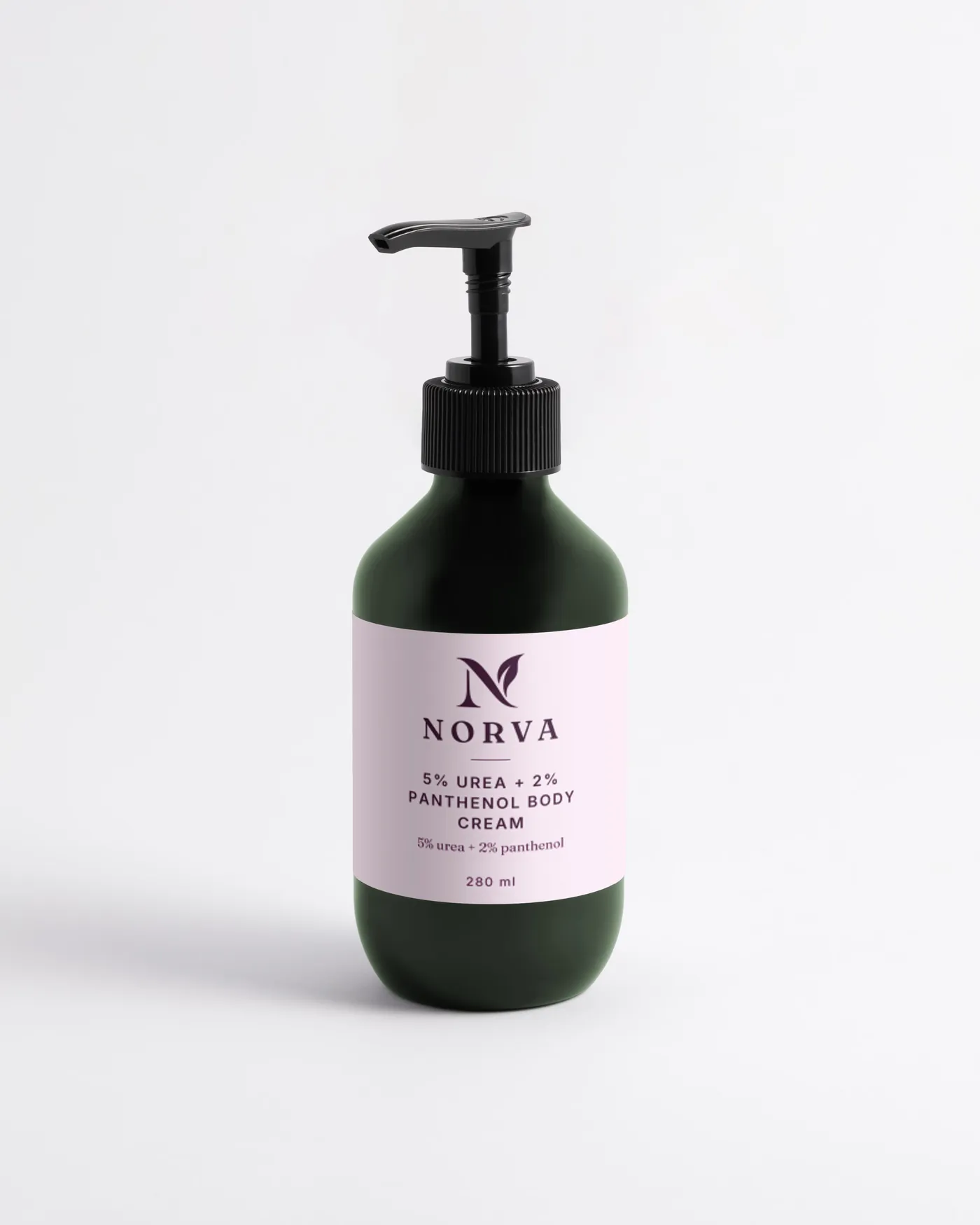
Our 5% Urea + 2% Panthenol Body Cream is £28 for 280 ml. It is built for dry, rough and dehydrated skin, and the two actives on the front of the tube are there because they have the best body-skin evidence we could find.
Urea at 5%. Urea is part of the skin's own natural moisturising factor. A review of 81 publications on urea in dermatology concluded it is a potent emollient and keratolytic, effective on its own for dry, scaly skin conditions, with mild irritation the most common side effect and no systemic toxicity (Pan and colleagues, 2013). At lower concentrations like 5% it works mainly as a humectant, drawing water into the outer layer; higher concentrations are used to soften thick, scaly skin. Separately, a review of moisturiser research notes that in double-blind studies, urea moisturisers reduced water loss in atopic and ichthyotic skin and made both normal and atopic skin less susceptible to irritation (Loden, 2003). That is a body ingredient with a track record.
Panthenol at 2%. In a controlled study, a dexpanthenol cream applied after skin had been irritated with sodium lauryl sulphate significantly accelerated barrier repair compared with the vehicle cream and untreated skin, and significantly reduced redness where the vehicle did nothing (Proksch and Nissen, 2002). Rough, over-washed body skin is exactly the situation that study models.
Alongside those two, the cream has hyaluronic acid and sodium PCA on the humectant side and a lipid base to hold the water in. It is dermatologically tested and made in the EU. It is fragranced: fresh cucumber with lemon and thyme, with parfum on the ingredient list. If you react to fragrance, that matters, and we will come back to it.
The point is that this does the serum's job (active plus humectant) and the cream's job (lipids to keep the water in) in one step, on 280 ml of skin, for £28. A body serum plus a body cream to seal it would cost more and take twice as long, and most of us are not going to do two body steps every day for long.
How to use a body cream properly
This is where most body care fails, whatever the format.
- Apply to damp skin. Within three minutes of getting out of the shower, before your skin has fully dried. This is the single biggest improvement most people can make.
- Use enough. A 280 ml tube is meant to last weeks, not months. Shins, elbows, knees, hands and feet get a proper layer.
- Every day. Dry skin is a maintenance job. The evidence for moisturisers is built on daily use, not weekly rescue.
- Shower cooler and shorter. Hot water strips lipids. Ten minutes at "warm" beats twenty at "scalding".
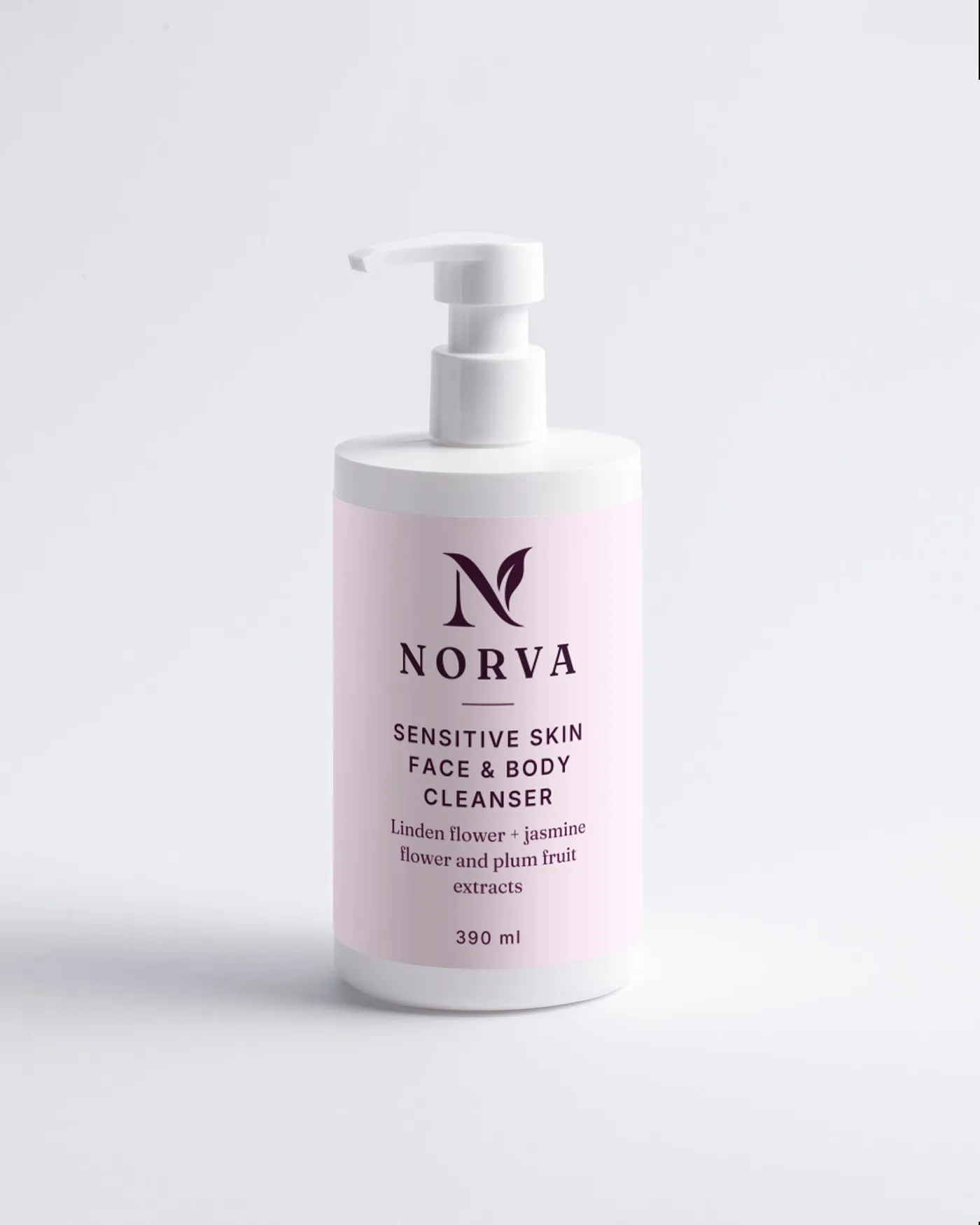
- Cleanse gently. A stripping body wash undoes the cream before you have applied it. Our Sensitive Skin Face & Body Cleanser (£22, 390 ml) is the minimalist wash we pair with the cream, and the two come together as the Body Barrier Duo for £43, which is £7 less than separately.
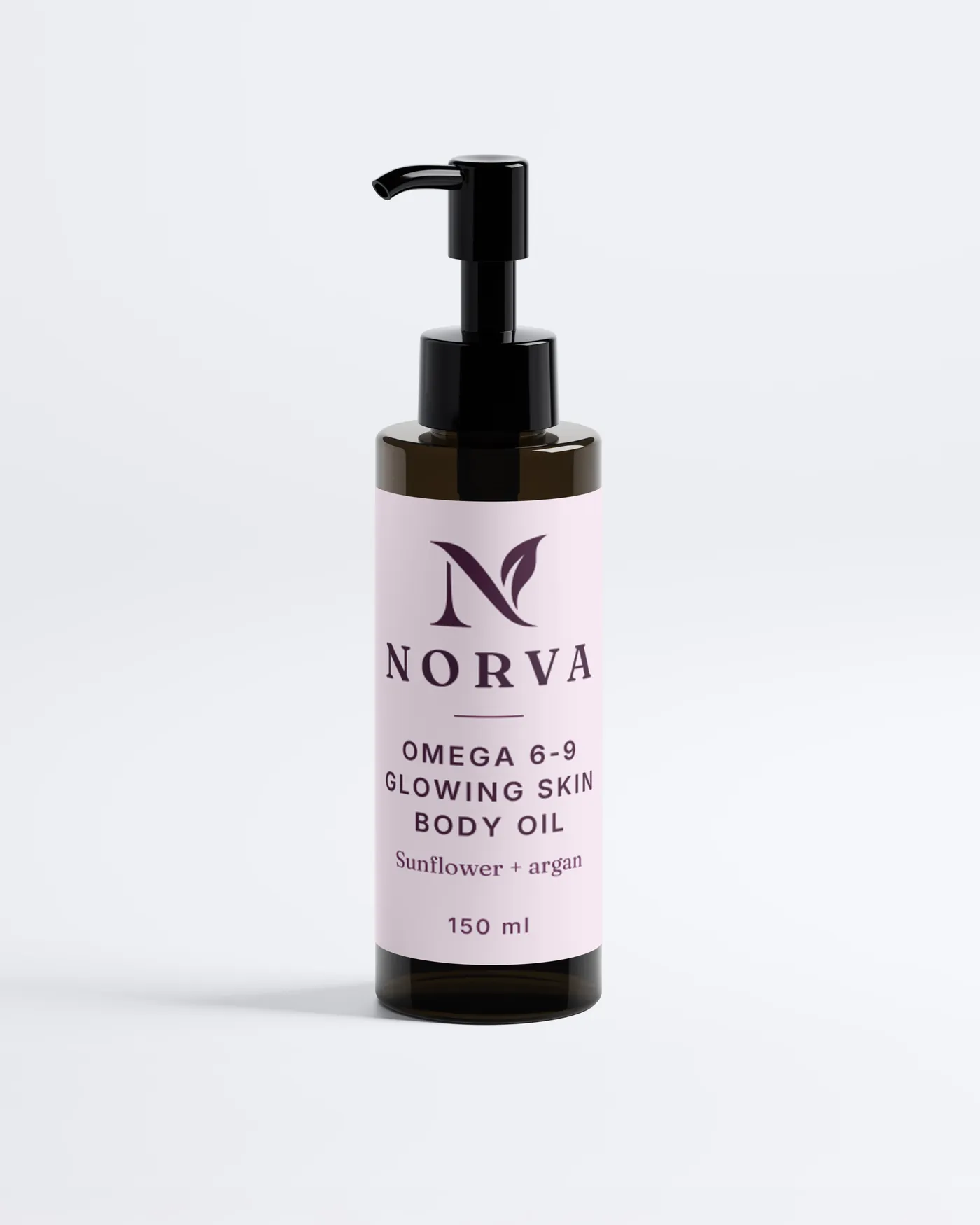
If you like a two-step routine anyway, the cream first and our Omega 6-9 Glowing Skin Body Oil (£32, 150 ml) over the top on very dry patches is the order.
What about a body serum for specific jobs?
If after all that you still want a body serum, here is what we would look for, because we are not going to pretend the format has no use.
For uneven tone on the chest or arms: niacinamide, 2% to 5%, in a light base, with a cream over it. Our niacinamide body serum piece covers what the face-skin evidence does and does not tell you about the body.
For rough bumps on the backs of the arms: a mild lactic or salicylic acid body product, used a few times a week, with a cream on the nights off. Stop if it stings.
For surface hydration in summer: hyaluronic acid or glycerin serum on damp skin, then a light lotion.
In every case: serum on damp skin, then something over it, or you are just adding water that evaporates.
What our body care costs and how it arrives
The 5% Urea + 2% Panthenol Body Cream is £28 for 280 ml. Our body care collection also includes the Sensitive Skin Body Cream (£24, 190 ml, shea and cocoa butter for face and body), the Omega 6-9 Glowing Skin Body Oil (£32, 150 ml) and the Sensitive Skin Face & Body Cleanser (£22, 390 ml). All are made in the EU and shipped to order in typically 6 to 10 working days, with free UK and EU delivery over £55 and 30-day returns on unused items. All four are fragranced, which we would rather say plainly.
Body serum by body part: where it helps and where it does not
Skin is not the same thickness or oiliness everywhere, so the serum-versus-cream answer changes depending on where you are putting it.
Chest and shoulders. Thinner skin, more sun exposure, often the first place tone looks uneven. A light niacinamide body serum makes sense here, with SPF over it in the day. A heavy cream can feel too much.
Upper arms. Rough bumps are common. A mild acid serum a few nights a week can help the texture, but the bumps are usually dry skin as much as anything, and a urea cream on the other nights does more than most people expect.
Shins and forearms. The classic winter dry zones. Almost no oil glands, lots of exposure to hot showers and radiators. This is cream territory. A serum here is water that evaporates.
Hands. Washed constantly, stripped constantly. Cream, reapplied after washing, and a thicker layer at night. No serum is going to survive the next hand wash.
Feet and heels. Thick, dry, often cracked. Cream with urea is the standard answer, and 5% is the maintenance strength; a pharmacist can point you to higher percentages for hard skin.
Torso and back. Usually fine with a light lotion or nothing. If you are reaching for a body serum here, ask what problem you are solving.
The pattern is clear: the drier and thicker the skin, the more a cream wins. The thinner and more sun-exposed, the more a light serum has a role.
Who this is not for
If your skin is comfortable and you want a light niacinamide layer on your chest, a body serum from another brand will suit you and our cream is heavier than you need. If you react to fragrance, none of our body products is fragrance-free, so look elsewhere for the body and use our fragrance-free Sensitive Skin Moisturiser for your face if you like. If you have very thick, scaly patches on heels or elbows, 5% urea is the maintenance strength; a pharmacist can point you to higher urea concentrations. And if you have widespread dry, itchy, cracked or inflamed skin that does not settle with daily moisturising, that can be eczema or another condition and is a GP question, not a body care question.
The bottom line
A body serum is a light way to put an active on comfortable skin. A body cream is what dry, rough skin actually needs, because it combines a humectant with the lipids that keep water in. We do not make a body serum. We make the 5% Urea + 2% Panthenol Body Cream, £28 for 280 ml, with two actives that have body-skin evidence behind them, in a cream that does both jobs in one step. Apply it to damp skin every day, patch test on the inner arm for 24 hours before first use, and give it a fortnight before you judge.
References
- 1.Lynde (2001). Moisturizers: what they are and how they work. Skin Therapy Letter.
- 2.Pan et al. (2013). Urea: a comprehensive review of the clinical literature. Dermatology Online Journal.
- 3.Loden (2003). Role of topical emollients and moisturizers in the treatment of dry skin barrier disorders. American Journal of Clinical Dermatology.
- 4.Proksch and Nissen (2002). Dexpanthenol enhances skin barrier repair and reduces inflammation after sodium lauryl sulphate-induced irritation. Journal of Dermatological Treatment.
- 5.Rawlings and Harding (2004). Moisturization and skin barrier function. Dermatologic Therapy.
Frequently asked questions
What is a body serum?
A body serum is a lightweight, usually water-based treatment for the body that carries active ingredients such as niacinamide, hyaluronic acid or acids, applied before or instead of a body lotion. It is the face-serum idea scaled up.
Is a body serum better than body cream?
Neither is better; they do different jobs. A serum delivers actives in a light layer and suits normal skin or humid weather. A cream carries more emollient and occlusive ingredients, which is what dry, rough skin actually needs. For most dry-skin complaints, a cream does more.
Do you sell a body serum?
No. We make a 5% Urea + 2% Panthenol Body Cream, because for the dry, rough skin most people are trying to fix, a cream that combines a humectant active with lipids does the whole job in one step.
Can I use a face serum on my body?
Yes, but it is an expensive way to cover a lot of skin. Body-specific products come in bigger sizes at lower cost per ml. If you want a face active like niacinamide on your body, look for a body product built around it.
How do I use a body serum and body cream together?
Serum first on damp skin after a shower, then cream over the top. Thinnest to thickest, the same as on your face.
Gear for this
Related reading
Niacinamide Body Serum and the Skinification of Body Care
Why serum-strength actives are moving from face to body, what a body serum can reasonably do, and when a good body lotion is the better buy.
Skin Barrier Repair: What It Means and How to Do It
How to repair your skin barrier, plainly: what the barrier is, what damages it, the signs, the ingredients with evidence, and a routine that works in weeks.
How to Apply Your Skincare, and in What Order
Where each Norva product sits in a morning and evening routine, how to layer a serum under a cream without pilling, and the order for the Peptide Routine, the Barrier Reset Routine and Sensitive Skin Essentials.